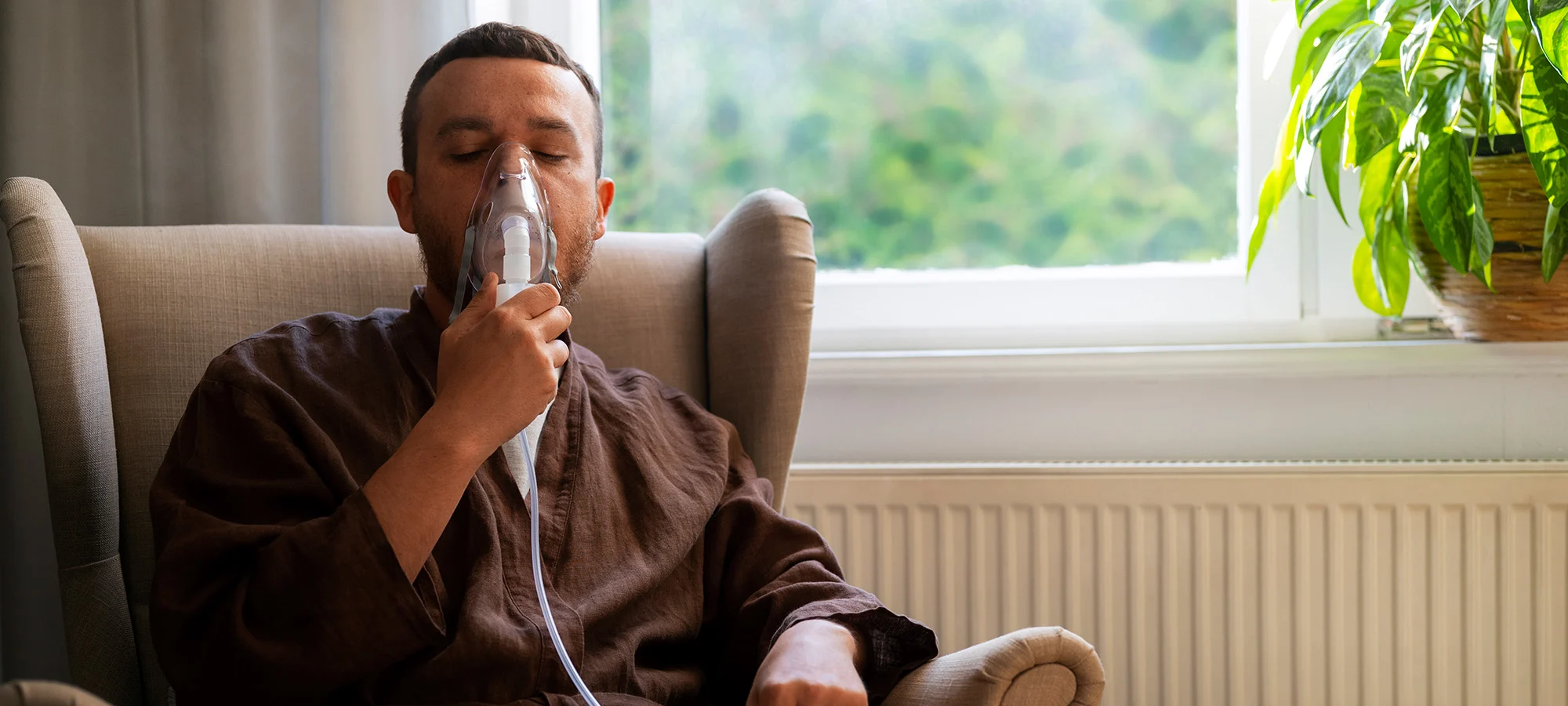
Every winter morning feels the same: a dry cough that just won’t settle, and sometimes it feels breath shorter than usual. That’s quite common in winter. You know, for some people, it’s just a mild seasonal issue, but for others, especially those with asthma, allergies, or chronic lung conditions, winter breathing difficulty can feel much more challenging. Why does it get worse only during this season?
Causes & Risk Factors
- Cold air and airway irritation- when you breathe in cold air, it directly affects your airways. Cold, dry air can irritate the lining of the nose, throat, and lungs, causing them to tighten. This narrowing makes breathing feel harder, especially during early mornings or late nights.
- Rise in viral infections- Winter is the peak season for respiratory infections. Viruses that cause the common cold, flu, and other flu-like illnesses survive longer in cold weather and spread more easily when people stay indoors. These infections inflame the airways, leading to cough, congestion, fever, and shortness of breath. For some people, a simple viral infection can trigger serious winter breathing difficulty.
- Poor air quality and pollution- in many Indian cities, winter brings a sharp drop in air quality. Fog, vehicle emissions, construction dust, and smoke from burning fuels get trapped close to the ground due to temperature inversion. Breathing polluted air irritates the lungs and worsens existing respiratory issues, such as asthma and bronchitis, in winter.
- Respiratory Allergies- Cold weather keeps windows closed and reduces ventilation. This allows indoor allergens like dust mites, mold, pet dander, and even cleaning chemical fumes to build up. Continuous exposure can trigger coughing, sneezing, breathlessness, and chest discomfort, especially in people with allergies.
- Others- Tobacco smoke (active or secondhand) is a major cause. Apart from this Pollen, dust mites, and certain foods. Family history can play a role
What are the Symptoms of Respiratory Disease?
Breathing problems in winter may start mild but should not be ignored if they persist or worsen. Common symptoms include:
- Chest tightness and discomfort
- Shortness of breath or difficulty breathing
- Persistent or worsening cough
- Wheezing or whistling sound while breathing
- Consistent cough at night(chronic or with mucus/sputum)
- Rapid breathing (tachypnea)
Prevention Tips for Breathing Problems in Winter
Respiratory infections peak in fall and winter (Nov-Apr). The good news is that many winter respiratory issues can be prevented or reduced with simple steps-
- Protect your airways from cold air- Cover your nose and mouth when stepping outside. Breathing warmer air helps prevent airway irritation.
- Maintain indoor air quality- Keep rooms well-ventilated whenever possible. Regular cleaning reduces dust and mold buildup. Avoid smoking.
- Avoid Smoke: Quit smoking and avoid passive smoking.
- Stay updated on vaccinations- Seasonal flu vaccines and pneumonia vaccines (when advised by your doctor) provide important protection, especially for high-risk groups.
Frequently Asked Questions(FAQ)
1. Why does cold air cause breathing difficulty?
Cold, dry air strips moisture from your airways, causing them to tighten and narrow. This often leads to shortness of breath, chest tightness, and a persistent "winter cough."
2. How does air pollution affect the lungs in winter?
Cold weather traps pollutants like smoke and dust near the ground (temperature inversion). Breathing this polluted air irritates the lungs and can trigger asthma attacks or chronic bronchitis.
3. Can indoor allergens cause winter respiratory issues?
Yes. Since windows stay closed, indoor allergens like dust mites, pet dander, and mold build up. This lack of ventilation is a common cause of nighttime coughing and sneezing.
4. How can I prevent breathing problems during winter?
- Cover up: Wear a scarf over your nose to warm the air you breathe.
- Stay active: Exercise indoors to avoid harsh air
- Vaccinate/ Test: Get your annual flu shot to prevent viral complications or get tested
- Clean air: Use an air purifier and keep your home smoke-free.
Common Winter Respiratory Issues-
- Bronchitis- Inflammation of the airways often follows a viral infection. It leads to persistent cough, mucus production, chest tightness, and breathlessness.
- Asthma - Cold air, pollution, and infections are major asthma triggers. Many patients experience increased wheezing and need for inhalers during winter.
- Pneumonia- Winter increases the risk of lung infections that fill air sacs with fluid, making breathing painful and difficult. Pneumonia can be serious, especially in older adults and young children.
- COPD - People with chronic obstructive pulmonary disease often report worsening symptoms like shortness of breath, cough, and fatigue during colder months.
- Sinusitis is common in winter and often follows a cold or allergy, causing blocked sinuses and nasal congestion.It can lead to facial pressure, headache, post-nasal drip, and difficulty breathing through the nose, especially at night.