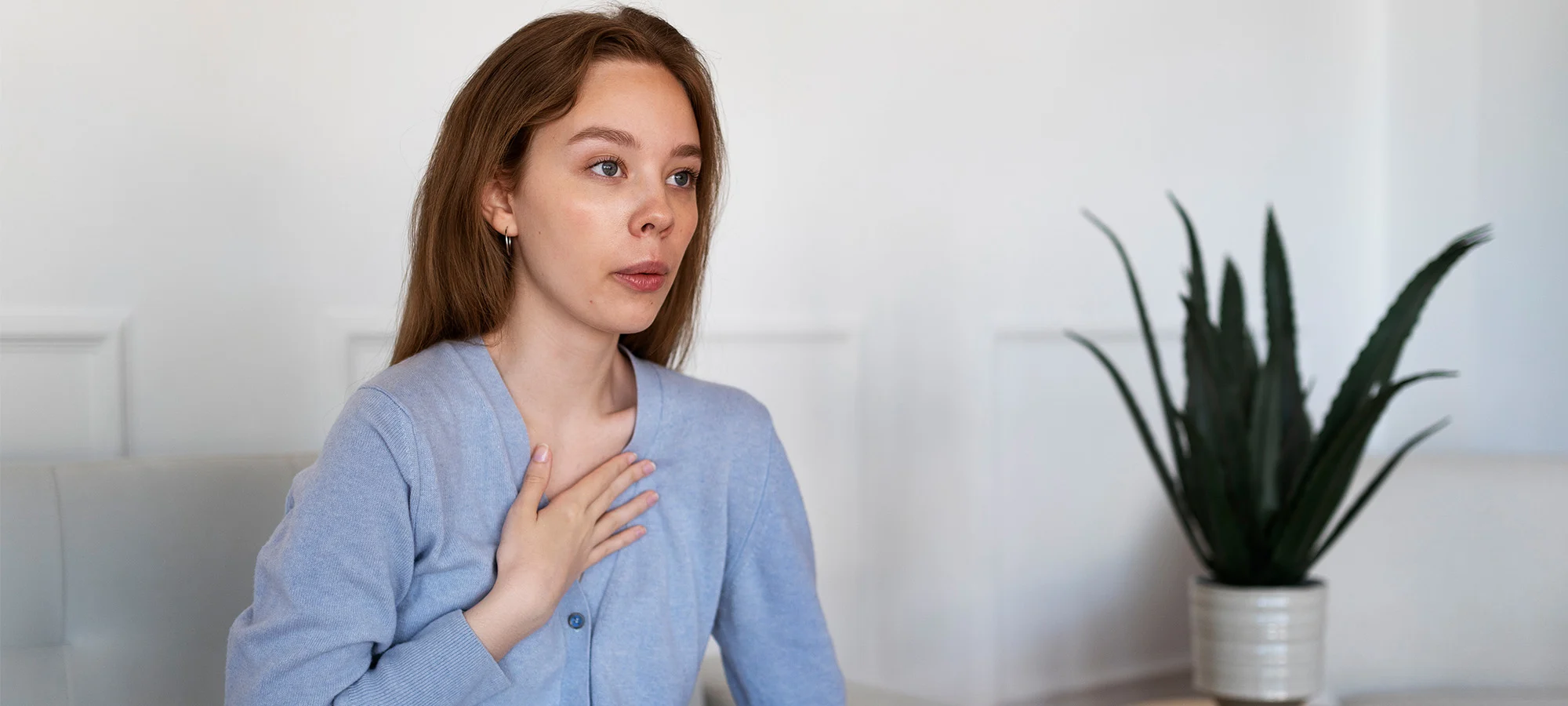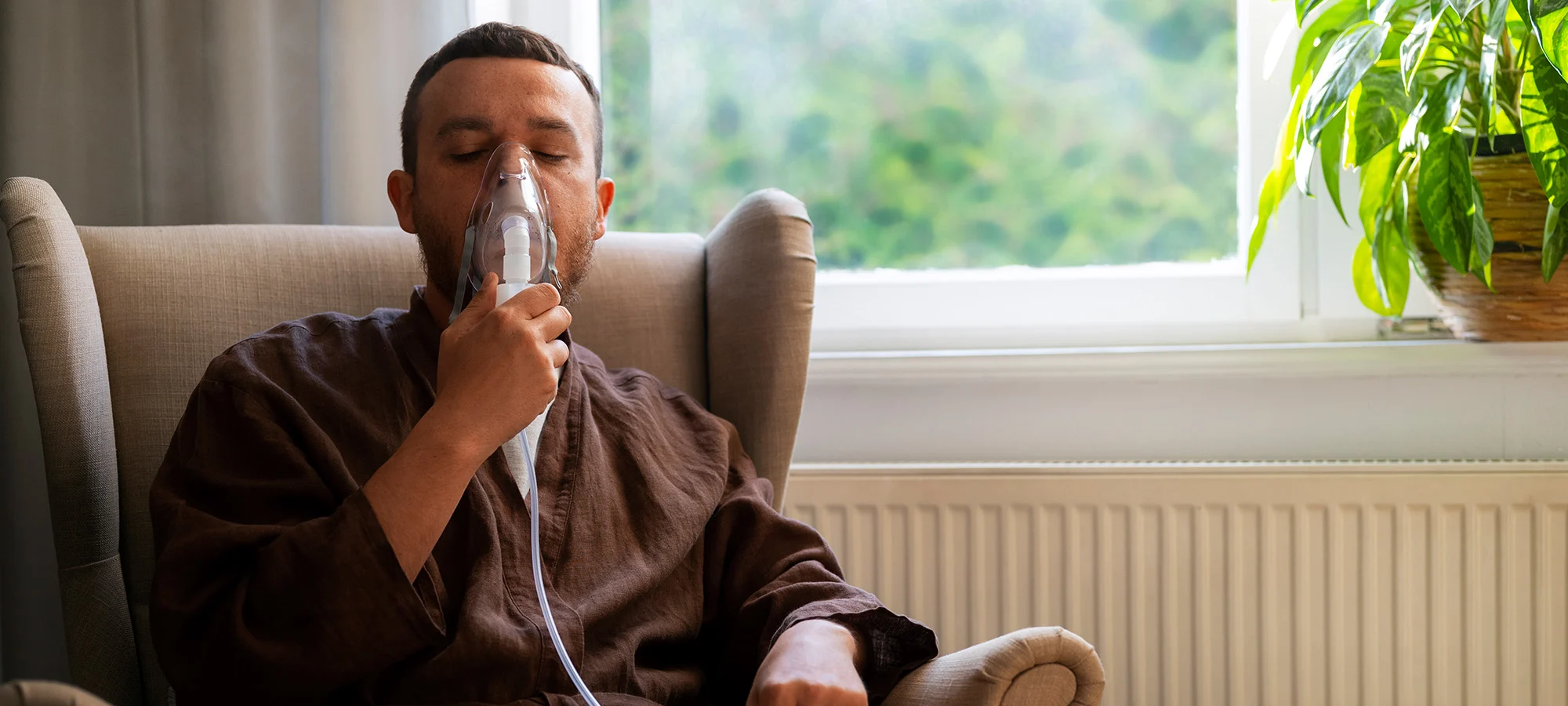
The seasonal pattern of COPD symptom worsening is often underestimated in everyday care, even though seasonal shifts have a strong influence on how symptoms progress. Respiratory setbacks tend to rise sharply during the colder months, and this leads to more severe illness, frequent visits to a pulmonologist, and a higher risk of life-threatening complications. You know, for individuals with COPD, winter isn’t just another season; it’s a period when their lungs are under extra stress. Cold, dry air can irritate the airways and make breathing more difficult. When you breathe in chilly, dry air, your airways tighten, making it harder to get enough oxygen. This can quickly trigger coughing, wheezing, and shortness of breath Why Do COPD Symptoms Worsen in Winter? Cold air causes the breathing tubes to narrow and become inflamed, which limits the amount of air reaching the lungs. Winter also brings a rapid growth in respiratory infections, such as the flu, colds, and pneumonia. For someone with COPD, even a simple infection can turn into a serious Breathing crisis that may require hospitalization. On top of that, people spend more time in closed spaces during winter, which makes it easier for infections to spread and trigger COPD Symptoms. Common Symptoms to Watch For