Iron is a very important mineral that your body needs to stay healthy and full of energy. It plays a big role in helping your blood carry oxygen all over your body. Without enough iron, you might feel tired, weak, or get sick more often. Understanding the importance of iron and how to avoid iron deficiency is key to good health. Let’s explore why expert dietitians stress the importance of maintaining adequate iron levels.
What Does Iron Do in Your Body?
Most of the iron in your body is found in your blood, inside something called hemoglobin. Hemoglobin’s job is to carry oxygen from your lungs to all the parts of your body, so your muscles and organs can work properly.
Iron is also inside muscle cells in something called myoglobin, which stores oxygen for when your muscles need it. Beyond that, iron helps your body make important proteins and enzymes that keep you healthy and your immune system strong.
About 25% of the iron in your body is stored for later use. Men usually have more stored iron than women because women lose iron every month during their periods.
Why Is Iron So Important?
Iron is needed for:
- Making red blood cells that carry oxygen
- Boosting your immune system to fight infections
- Helping your muscles work properly
- Supporting brain function and energy levels
- Helping pregnant women and growing children stay healthy
If you don’t get enough iron, your iron stores run low, and you can develop
iron deficiency or even
iron deficiency anemia. This means your body can’t make enough healthy red blood cells. You might feel very tired, weak, have trouble concentrating, or get sick more easily.
What Causes Iron Deficiency?
The most common cause of low iron is blood loss. For women, this often happens during periods.Growing children, pregnant women, and people who donate blood often need more iron because their bodies use it up faster.
Where Can You Find Iron?
You can get iron from many foods. There are two types of iron in food:
- Heme iron: Found in meat, fish, and poultry. This type is easier for your body to absorb.
- Non-heme iron: Found in plant foods like beans, spinach, and fortified cereals.
Good
iron rich foods include:
- Lean beef, chicken, turkey, and pork
- Fish and shellfish like mussels
- Leafy green vegetables like spinach, kale, and broccoli
- Beans, lentils, and tofu
- Potatoes and tomatoes
Cooking in iron pots can even add extra iron to your meals!
How to Absorb Iron Better
Eating vitamin C-rich foods like oranges, strawberries, or bell peppers along with iron-rich foods helps your body absorb iron better. Avoid drinking tea or coffee with meals because they can reduce iron absorption.
How Much Iron Do You Need?
Adults usually need around 1.8 mg of iron daily, but this can increase for women during pregnancy or menstruation, growing kids, and blood donors. Your body only absorbs about 10–30% of the iron you eat, so eating a variety of iron-rich foods is important.
If you think you might not be getting enough iron, a
dietitian can help you plan your meals to improve your iron intake safely.
When to Get Help
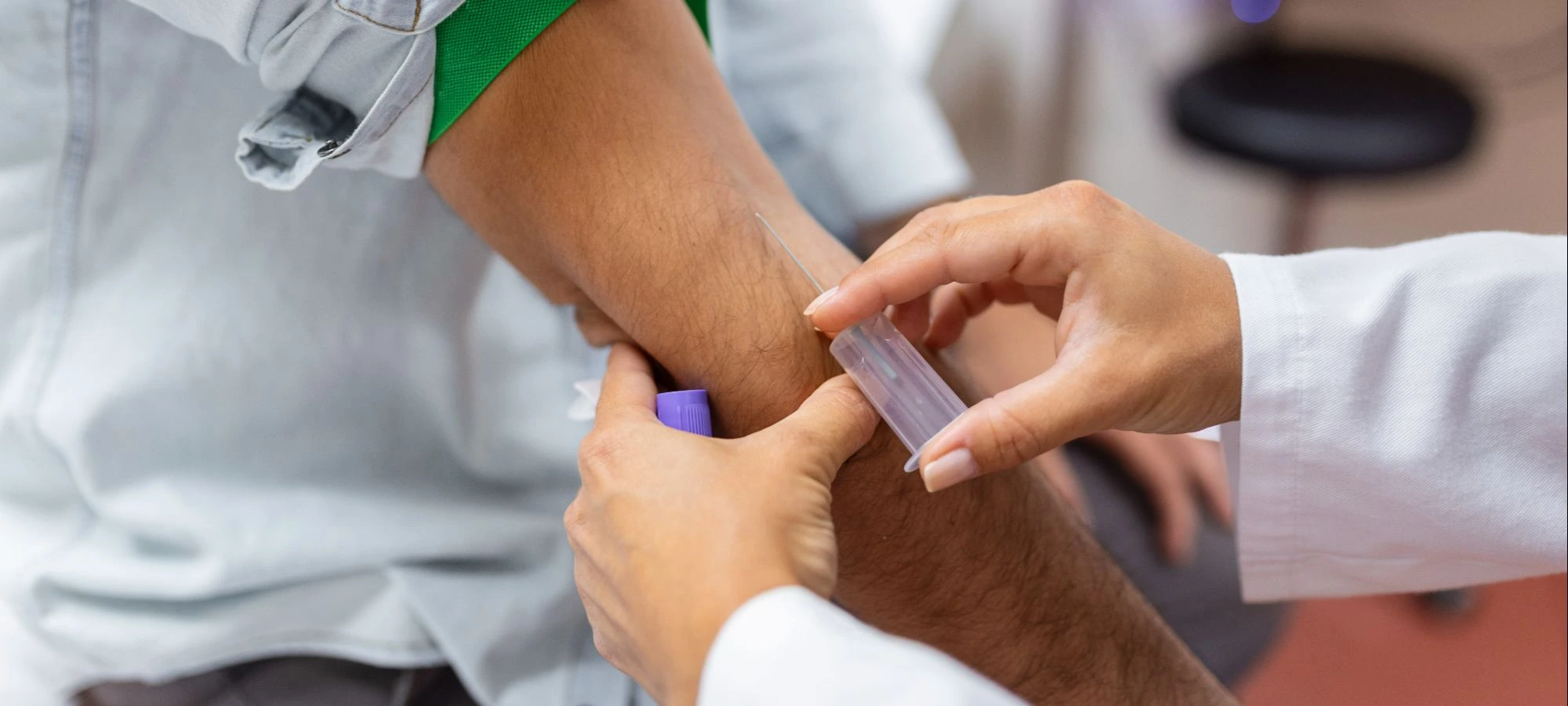
If you feel very tired, weak, or notice other symptoms like pale skin or frequent infections, it’s a good idea to get your iron levels checked. Suraksha Diagnostics offers reliable and convenient blood tests to check your iron and hemoglobin levels so you can get the right advice and treatment from experts.
Suraksha Diagnostics’ expert team and experienced
dietitians can guide you on how to maintain healthy iron levels through diet and lifestyle changes.
Conclusion
Iron is essential for keeping your blood healthy, your energy up, and your body strong. Eating iron-rich foods and combining them with vitamin C can keep you feeling your best. Remember, if you suspect iron deficiency, talk to your healthcare provider or visit
Suraksha Diagnostics for expert testing and personalised guidance.
Visit your nearest Suraksha Clinic & Diagnostics and consult with the City’s top dietitians near you.