
Chromosomal Microarray (CMA)
Whole-genome detection of deletions and duplications too small to see on a karyotype, plus regions of absence of heterozygosity.
Read MoreScreening and diagnostic testing in pregnancy, investigation of pregnancy loss and parental chromosome studies.
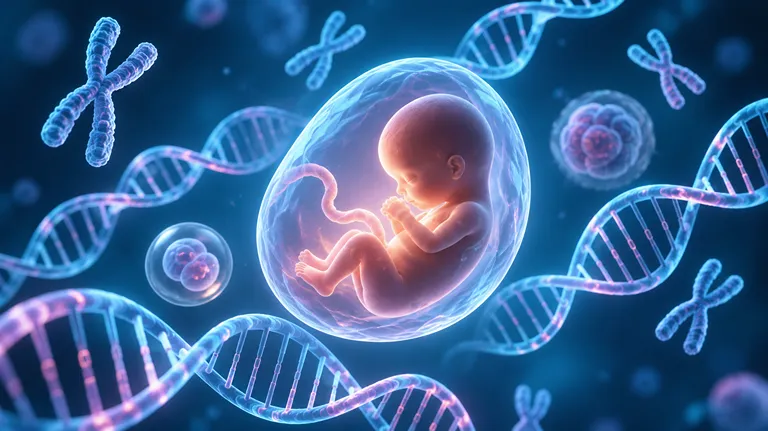
Chromosomal and genetic conditions affect a small but significant proportion of pregnancies. Prenatal genetic testing helps parents and clinicians understand the health of the developing baby, so that care during pregnancy and after birth can be planned with confidence.
Prenatal tests fall into two groups. Screening tests estimate the chance that a baby has a particular condition and carry no risk to the pregnancy. Diagnostic tests analyse fetal cells directly and give a definitive answer, but require an invasive sampling procedure.
For expectant parents and couples, and for the obstetricians, fetal medicine and fertility specialists who care for them.
Around half of first-trimester miscarriages are caused by chromosomal abnormalities. Testing of products of conception by QF-PCR and chromosomal microarray can identify the cause of a loss, guide counselling about recurrence risk and indicate whether parental chromosome studies are needed.
Tests and pages for clinicians and healthcare professionals. Browse our portfolio of tests.

Whole-genome detection of deletions and duplications too small to see on a karyotype, plus regions of absence of heterozygosity.
Read More
Fluorescent DNA probes show whether a chromosome or a specific region is present in the normal number of copies.
Read More
Microscopic analysis of the complete chromosome set, and the standard test for balanced rearrangements.
Read More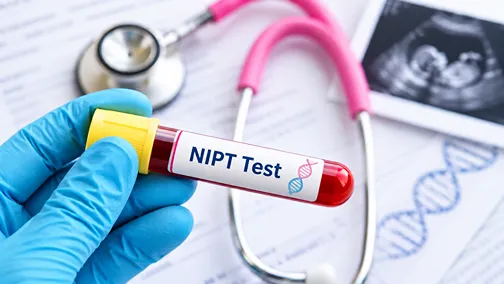
Screening on maternal blood for trisomies 21, 18 and 13 and sex chromosome aneuploidies, from 10 weeks of gestation.
Read More
Rapid diagnostic test for aneuploidies of chromosomes 13, 18, 21, X and Y, with results in 24 to 48 hours.
Read More
Sequencing of the protein-coding regions of approximately 20,000 genes, ideally as a trio with both parents.
Read MoreCounselling before testing explains the difference between screening and diagnostic tests in pregnancy and the possible results. After testing, the counsellor explains what the result means for the pregnancy and the chance of recurrence in future pregnancies.