
From DNA to Diagnosis: How Genetic Testing Works
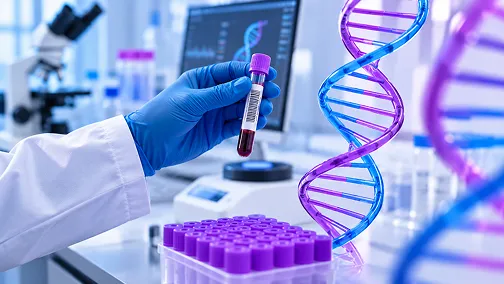
For the patient, a genetic test usually feels like a short conversation, a small blood sample, and a report a few days or weeks later.
Read MorePlain-language articles for patients and families and guides for healthcare professionals.
 Article
For the patient, a genetic test usually feels like a short conversation, a small blood sample, and a report a few days or weeks later.
Read More Article
Screening tests such as the double marker, NIPT and ultrasound tell parents whether their baby might be at higher risk of a genetic condition.
Read More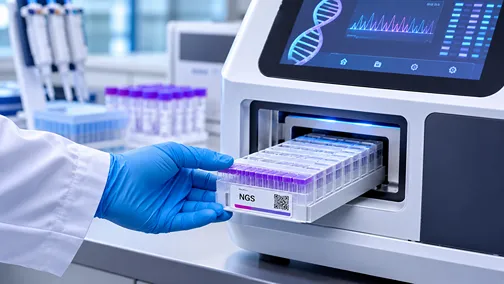 Article
Many cancer patients today hear their oncologist recommend an “NGS test”.
Read MoreGene fusions are among the most important targets in precision oncology. They occur when part of one gene joins part of another, producing an abnormal protein that drives cancer growth.
Read MoreFor decades, the karyotype was the standard first test for children with developmental delay, intellectual disability or birth defects.
Read MorePrenatal genetic testing has expanded rapidly, and the range of options can be confusing.
Read MoreGenetic tests that analyse many genes frequently identify variants whose effect on health is not yet known. These are called variants of uncertain significance (VUS).
Read More