
Chromosomal Microarray (CMA)
Whole-genome detection of deletions and duplications too small to see on a karyotype, plus regions of absence of heterozygosity.
Read MoreFinding the genetic cause of developmental delay, congenital anomalies and suspected syndromes, and what it means for the family.
Rare disorders are individually uncommon but collectively affect a large number of children and families. Many have a genetic cause.
Identifying that cause can end a long diagnostic journey, guide management, inform prognosis and clarify the chance of recurrence in the family.
For families looking for a diagnosis, and for the paediatricians and specialists who refer them.
Tests and pages for clinicians and healthcare professionals. Browse our portfolio of tests.

Whole-genome detection of deletions and duplications too small to see on a karyotype, plus regions of absence of heterozygosity.
Read More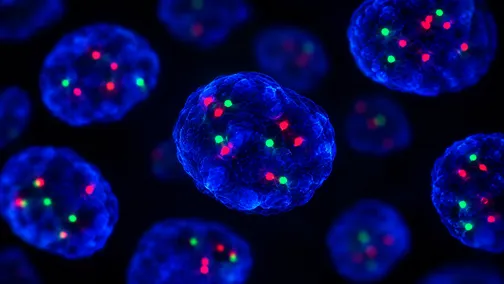
Fluorescent DNA probes show whether a chromosome or a specific region is present in the normal number of copies.
Read More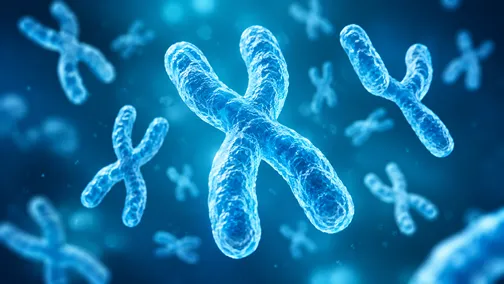
Microscopic analysis of the complete chromosome set, and the standard test for balanced rearrangements.
Read More
NGS of selected genes for epilepsy, skeletal dysplasia and neurodevelopmental disorders, with custom panels available.
Read More
Sequencing of the protein-coding regions of approximately 20,000 genes, ideally as a trio with both parents.
Read MoreTumour testing looks at changes in the cancer to guide treatment. When an inherited cancer risk is suspected, a genetic counsellor can explain what separate germline testing involves and what it may mean for relatives.