
From DNA to Diagnosis: How Genetic Testing Works
For the patient, a genetic test usually feels like a short conversation, a small blood sample, and a report a few days or weeks later.
Read MoreIf your doctor has recommended a genetic test, this section explains what the test looks at, what happens at each step and where to get support.

Every cell in the body contains DNA, the set of instructions for how the body grows and works. DNA is organised into genes, and genes are packaged into 46 chromosomes arranged in 23 pairs. One chromosome of each pair comes from the mother and one from the father.
A change in the number or structure of chromosomes, or a change in a single gene, can affect health and development. Genetic tests look for these changes.
A screening test shows whether there is a high or low chance of a condition. It does not give a definite answer. A diagnostic test confirms whether a condition is present. In pregnancy, NIPT is a screening test, while tests on samples from CVS or amniocentesis are diagnostic.
Because germline variants are shared in families, a genetic result can sometimes be relevant to parents, children, brothers and sisters. A genetic counsellor can help you understand what a result means for your family and help you decide whether other family members should be told.
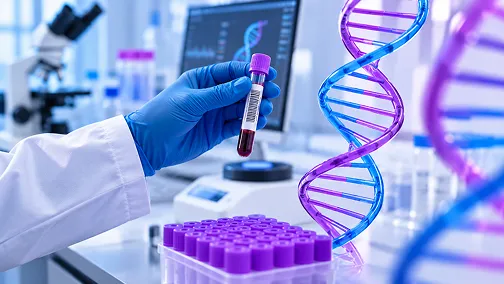 Article
For the patient, a genetic test usually feels like a short conversation, a small blood sample, and a report a few days or weeks later.
Read More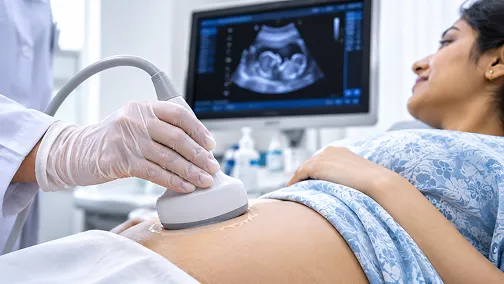 Article
Screening tests such as the double marker, NIPT and ultrasound tell parents whether their baby might be at higher risk of a genetic condition.
Read More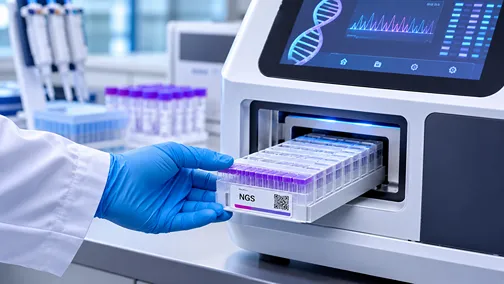 Article
Many cancer patients today hear their oncologist recommend an “NGS test”.
Read MoreGenetic testing follows a series of steps, from the doctor's recommendation to the discussion of results. Knowing what to expect at each step can make the process easier.
The doctor explains why a test is recommended and which test is most suitable.
A genetic counsellor or doctor explains what the test can and cannot show, and written consent is taken.
Depending on the test, this may be a blood sample, a sample taken during pregnancy by CVS or amniocentesis, or tissue already stored from a biopsy or surgery.
The sample is checked, DNA or cells are prepared, and the test is performed and quality-checked.
Specialists interpret the results in the context of the clinical information provided.
A signed report is sent to the referring doctor.
The doctor or genetic counsellor explains the result and the next steps.
Some tests, such as QF-PCR, give results within 1 to 2 days. Tests that need cells to grow in the laboratory, such as karyotyping, or that analyse many genes, such as exome sequencing, take longer. Occasionally a test needs to be repeated or a further sample requested if the first sample is not suitable.
A genetic counsellor can explain what a test can and cannot show before it is done, and what the result means for you and your family afterwards.
No. Genetic tests are not affected by food, so no fasting or special preparation is needed.
Suraksha Institute of Genomics
Depending on the test, the sample may be blood, a sample taken during pregnancy, or tissue already stored from a biopsy or surgery.
Routine blood tests measure substances in the blood, such as sugar or haemoglobin. Genetic tests analyse DNA or chromosomes to look for changes that may cause or explain a health condition.
No. Genetic tests are not affected by food, so no fasting or special preparation is needed.
Clinical details help specialists interpret the result accurately. The same genetic change can have different significance depending on the symptoms, examination findings and family history.
It is a DNA change for which there is not yet enough evidence to say whether it causes disease. It should not be used on its own to make medical decisions. Testing parents or reviewing new evidence over time can help clarify it.
Testing parents can show whether a change found in a child or pregnancy was inherited or occurred for the first time. This helps interpret the result and estimate the chance of recurrence.
Not always. Each test is designed to detect certain types of changes. A negative result means none were found by that test. Your doctor may recommend a different test if a genetic cause is still suspected.
Sometimes. Some genetic changes are shared within families. A genetic counsellor can explain whether relatives should be offered testing.
No. A tumour test looks at changes in cancer cells to guide treatment. A test for inherited cancer risk uses a blood sample to look at the genes a person was born with.
Yes. Genetic results are confidential and are shared only with the doctors involved in your care or as you authorise.
Most babies are born healthy. Prenatal genetic tests help identify pregnancies where the baby may have a chromosomal or genetic condition, so that parents and doctors can plan care during pregnancy and after birth.
Screening tests estimate the chance that the baby has a condition such as Down syndrome. They are safe for the mother and baby.
A high-chance screening result is not a diagnosis. A diagnostic test is needed to confirm it.
Diagnostic tests give a definite answer by analysing cells from the pregnancy. The sample is collected by one of two procedures:
Both procedures carry a small risk of miscarriage, estimated in recent studies at less than 0.5% when performed by experienced specialists.
QF-PCR gives a rapid result, within 1 to 2 days, for the most common chromosomal conditions.
Chromosomal microarray looks for small missing or extra pieces of chromosomes, especially when ultrasound shows a concern.
Karyotyping looks at all the chromosomes, including rearrangements.
FISH looks at specific chromosomes or regions.
No. NIPT is highly accurate but remains a screening test. A high-chance result should be confirmed by CVS or amniocentesis.
In India, the sex of the baby is not determined or disclosed, as required by the PCPNDT Act.
No test can detect every condition. A normal result greatly reduces the chance of the conditions tested for, but routine pregnancy care and ultrasound remain important.
Occasionally a result cannot be issued, for example when there is not enough placental DNA for NIPT or the cells do not grow for karyotyping. A repeat sample or another test may be recommended.
Cancer begins when genes inside cells change. These changes differ from person to person, even among people with the same type of cancer.
A tumour genomic test reads these changes in the tumour itself. Some changes can be treated with specific medicines called targeted therapies. Knowing about them helps the oncologist choose a treatment that is more likely to work.
Usually not. The test uses tissue stored from an earlier biopsy or surgery. Occasionally the stored sample contains too little tumour, and the doctor will discuss the options.
No. There is no fasting or other preparation.
No. It looks at changes in the tumour, not the genes a person is born with. If an inherited cancer risk is suspected, a separate blood test is needed.
Not always. Many patients have a change that can be targeted, but some do not. A result with no targetable change is still useful, because it helps the doctor plan other treatment.
Yes, occasionally. If the sample contains very few tumour cells, or the change lies in a part of a gene the test does not cover, it may not be detected.
Our team can help you understand next steps, or arrange genetic counselling.